In June 2021, the European Commission authorized dried Tenebrio molitor as a novel food under Regulation (EU) 2021/882 — the first insect species to clear that bar in the EU. In 2025, EFSA extended its safety opinion to frozen and dried whole mealworm larvae as well (EFSA Journal, 2025). For an industry that spent years explaining itself to regulators, that shift changed the question. It is no longer “can this be sold legally,” but “who is going to produce enough of it.” That question is what’s opening the door for independent producers. A handful of companies, including Protiberia, now let farmers start a mealworm farming business without building the genetics, the processing capacity, or the buyer relationships from zero — by joining an existing partner network instead. This piece looks at what that actually involves in practice: how the work is split, what it costs in effort rather than just money, who tends to do well at it, and what a realistic path from an empty building to a first harvest looks like.
What Running a Mealworm Farm Under a Partner Model Actually Looks Like
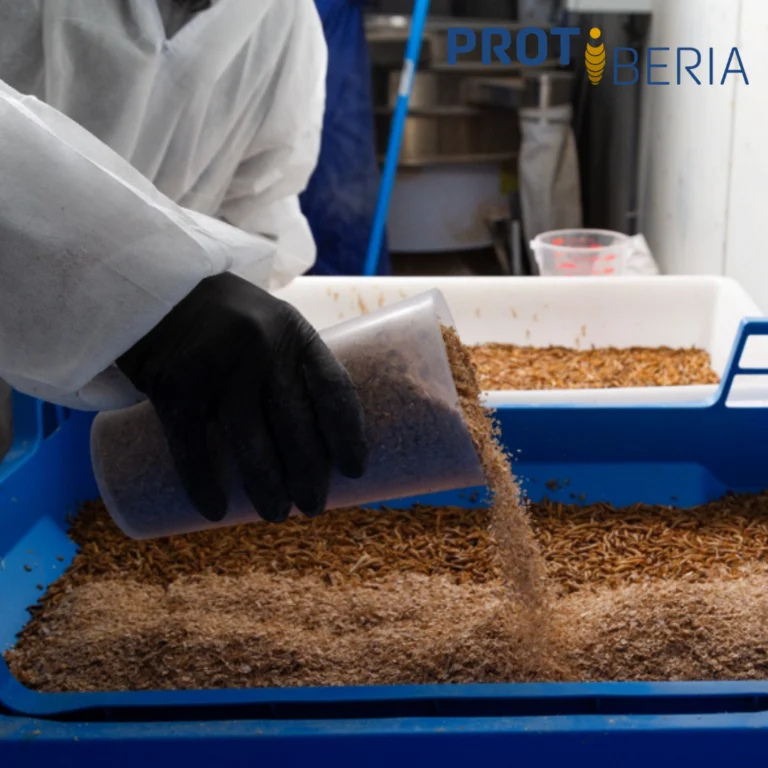
Strip away the branding and the job is specific: a Proticultor runs a dedicated rearing and fattening facility for Tenebrio molitor, working from starter colonies and protocols supplied by Protiberia, and hands off mature larvae for processing once they reach the right size. It is closer to contract livestock rearing than to running an independent business from scratchStrip away the branding and the job is specific: the farmer runs a dedicated rearing and fattening facility for Tenebrio molitor, working from starter colonies and protocols supplied by the network operator — Protiberia calls this role a Proticultor — and hands off mature larvae for processing once they reach the right size. It is closer to contract livestock rearing than to running an independent business from scratch: the genetics, the technical standards, and the buyer are fixed; what the farmer controls is day-to-day execution — feeding schedules, humidity and temperature management, monitoring for disease, and keeping records that satisfy quality checks.
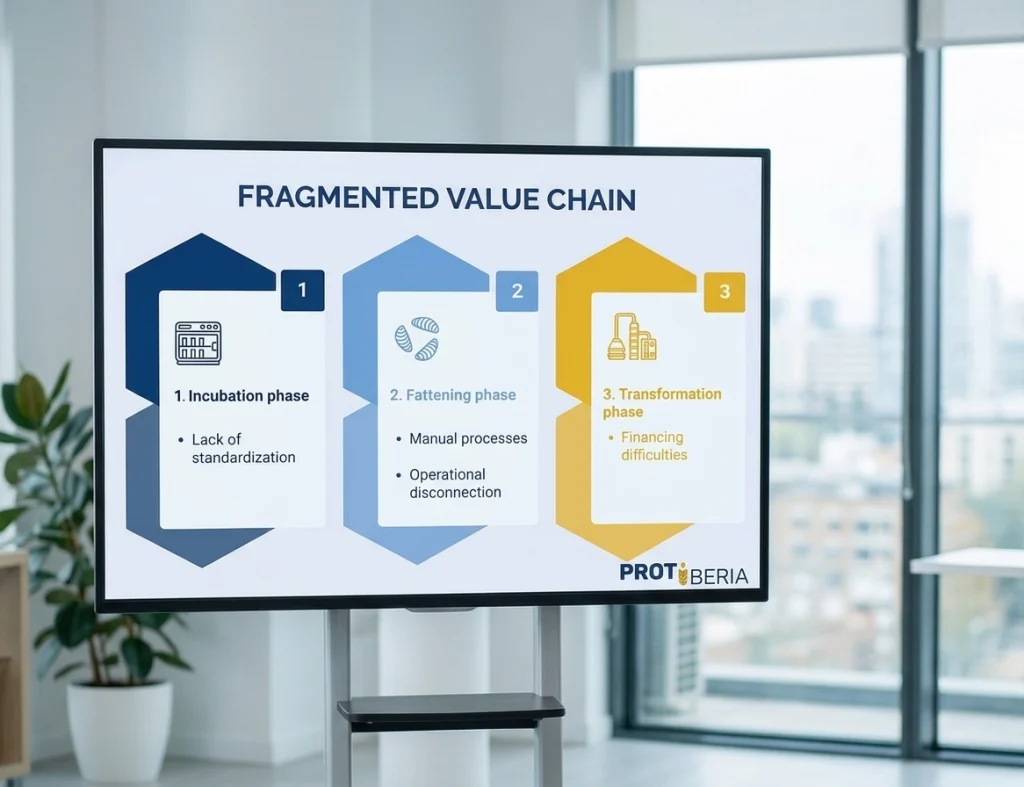
That narrower scope is deliberate. Rather than asking one farm to master breeding, rearing, processing, and sales simultaneously, the model splits the value chain so each producer can focus on doing one part of it well — which is also what makes this a meaningfully lower-risk way to start a mealworm farming business than building a standalone operation.
Who Should Consider This Path
Not every profile fits equally well.
Existing livestock or agricultural operators looking to diversify. Someone already managing animal husbandry or greenhouse production has most of the relevant instincts — biosecurity discipline, comfort with routine physical work, and often an existing building that can be adapted rather than built new.
First-generation entrepreneurs drawn to a structured, science-backed venture. People without a farming background tend to do well precisely because the protocols remove much of the guesswork that sinks independent agricultural start-ups — provided they’re comfortable with hands-on daily work, since this is not a passive investment.
Who it suits less well: anyone looking for a fully passive income stream, or anyone unwilling to operate under someone else’s technical standards. The trade-off for lower risk and guaranteed offtake is reduced autonomy over how the farm is run.
This model also has an obvious rural dimension — repurposed buildings, local jobs, a reason to keep family land in production. Protiberia has covered that side of the story in more depth in Generating Employment in Rural Areas Through Insect Farming; this piece stays focused on the mechanics of the business itself.
The Partnership, Honestly
It’s easy to list what a network operator provides — starter colonies, protocols, consulting, a committed buyer for the harvest. That part is real. What gets said less often is what stays the farmer’s responsibility, and it’s worth naming plainly: the daily labor of running the facility, local permitting and licensing specific to the property, the ongoing operating costs of feed and utilities, and the discipline to follow protocols even when a shortcut looks tempting — since deviations affect product consistency across the whole network, not just one farm.
This is not a franchise where a fee buys a finished business. It’s closer to a supplier relationship with unusually heavy technical support attached. Producers who go in expecting the network to run the farm for them tend to be disappointed; those who go in expecting a structured but still hands-on operation tend to describe the arrangement more positively.
From First Contact to First Harvest: A Realistic Timeline
The path from initial interest to an operating farm follows a fairly consistent sequence, even if the exact timeline varies by property and region:
- Initial assessment. The network operator reviews the candidate’s available space, existing infrastructure, and financial capacity to cover setup and running costs.
- Facility adaptation. Existing buildings — barns, greenhouses, disused agricultural structures — are evaluated and, where suitable, adapted rather than replaced, which is usually the largest lever for controlling upfront cost.
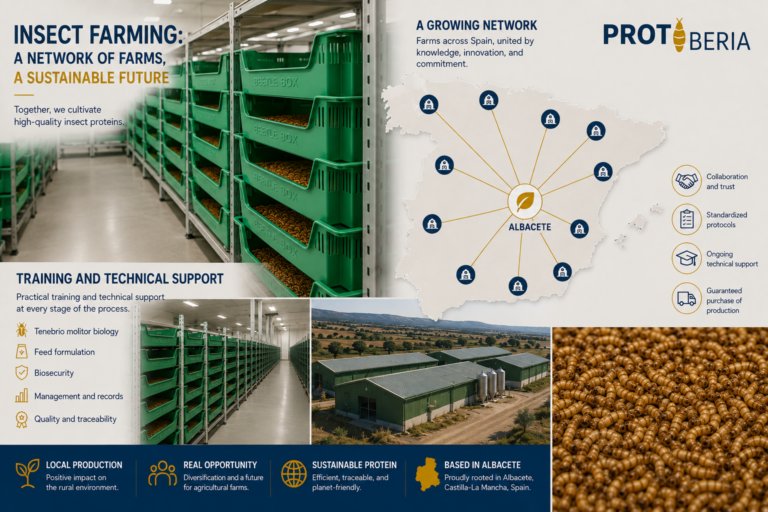
- Pre-launch training. Before any larvae arrive, the farmer goes through structured training on Tenebrio molitor biology, feed formulation, and biosecurity practices specific to the species.
- First colonies and ramp-up. The operator supplies the initial egg and neonate colonies, and the farm begins its first rearing cycle under close, hands-on supervision.
- First harvest and handoff. Once larvae reach target size, the operator takes delivery for processing — the point at which the farm moves from onboarding into its normal operating rhythm.
Training and Technical Support, in Practice
The support doesn’t end at launch, and it’s worth describing what it looks like operationally rather than just naming it. In the early cycles, technical staff are typically in close contact to help interpret early warning signs — a colony developing more slowly than expected, humidity drifting out of range — that a first-time producer might not yet recognize on their own. As farms mature, that contact becomes less frequent but doesn’t disappear: quality control checks continue on every batch, and protocol updates get pushed out across the network as they’re developed, so an individual farm benefits from improvements made anywhere else in the system.
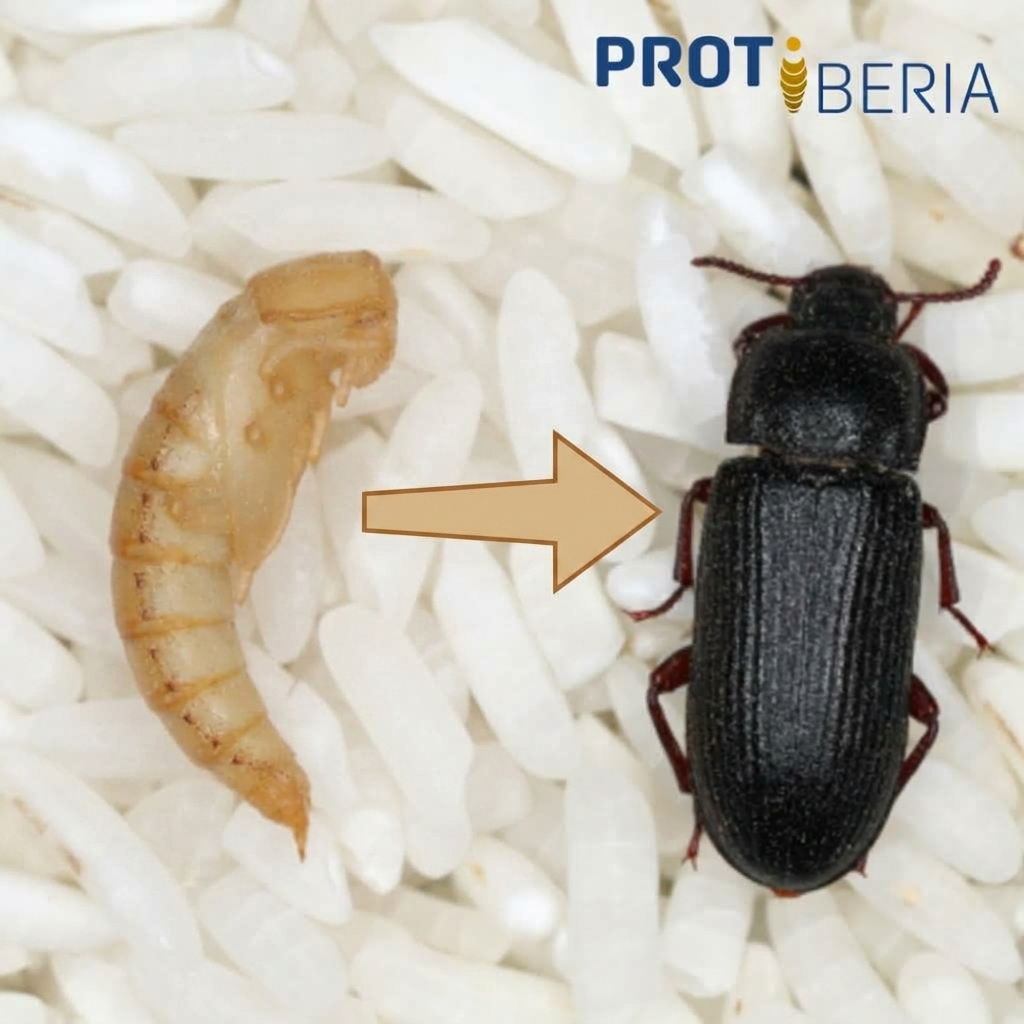
The practical effect is that technical knowledge accumulates at the network level rather than staying siloed on each farm — which is also the reason consistent protocol adherence matters so much: it’s what makes that shared learning possible in the first place. Protiberia outlines the specifics of its own version of this arrangement, which it calls the Proticultor program, on its farm network page.
Conclusion
The regulatory groundwork for insect protein in the EU is largely done; what’s left is building the supply capacity to meet the demand that groundwork unlocked. For anyone weighing whether — and how — to start a mealworm farming business, the partner-network model is worth understanding on its own terms: a structured, hands-on arrangement that trades some autonomy for lower risk, technical backing, and a defined path from an empty building to a functioning farm, rather than either a passive investment or a fully independent venture. For the right profile — an existing agricultural operator diversifying, or a hands-on entrepreneur willing to follow someone else’s protocols in exchange for a guaranteed buyer — it offers a concrete, lower-barrier way into a market that, as of 2026, finally has the regulatory footing to grow.
References
Commission Implementing Regulation (EU) 2021/882 of 1 June 2021 authorising the placing on the market of dried Tenebrio molitor larva as a novel food. EUR-Lex. Implementing regulation – 2021/882 – EN – EUR-Lex
EFSA Panel on Nutrition, Novel Foods and Food Allergens (2025). Safety of frozen and dried forms of whole yellow mealworm (Tenebrio molitor larva) as a novel food pursuant to Regulation (EU) 2015/2283. EFSA Journal. Safety of frozen and dried forms of whole yellow mealworm (Tenebrio molitor larva) as a novel food pursuant to Regulation (EU) 2015/2283 – – 2025 – EFSA Journal – Wiley Online Library
International Platform of Insects for Food and Feed (IPIFF). Press statement on the publication of the Implementing Regulation concerning authorisation of dried Tenebrio molitor. Press Statement – on publication of Implementing Regulation concerning authorisation of dried Tenebrio molitor – International Platform of Insects for Food and Feed, Brussels
El Español. Making a Living from an Insect and Its Droppings in Albacete: How Ana’s Company Works. Ganarse la vida con un insecto y sus excrementos desde Albacete: así funciona la empresa de Ana
Aquae Foundation. Empty Spain: Innovation Against Depopulation. La España vaciada: innovación contra la despoblación – Fundación Aquae